Possing Technology for Nonprofits

A senior engineer for the missions that can't afford one.

Nonprofits run essential work on tight budgets and borrowed software — and almost never have a senior engineer to call. Each year I set aside a few engagements for mission-driven organizations, at rates built around what you can actually afford.

A limited program — 2–3 nonprofit engagements a year. Based in Chicago, IL — working remotely.

Good missions, fragile software.

Donor records, volunteer systems, program data, the grant-funded app a contractor built and walked away from — nonprofits depend on software every bit as much as a startup does, with a fraction of the budget and rarely anyone senior to check the work. So the questions go unanswered.

  • Is donor and beneficiary data actually safe — or one misconfiguration away from a breach you'd have to disclose?
  • Did the agency or volunteer who built your system leave you with something you can maintain, or a dead end?
  • You got a grant to build software — is the money being spent well, and will what you get outlast the grant?
  • Is it worth fixing, or starting over — and what will each cost?

Mission-critical shouldn't mean flying blind. That's why this program exists.

What you get

The same work — for the missions that need it.

Nonprofit engagements are the same craft and the same confidentiality as any paid client. Not a lesser tier — a partner.

Understand what you have

Code & ownership review

A plain-English read of your systems: what you've got, where the real risks are — exposed donor data, broken access controls, unsupported tooling — and what it takes to put you back in control. Ranked, with a concrete next step for each.

Fix what's holding you back

Modernization & builds

Brittle, abandoned, or grant-built software turned into something stable your team — or your next volunteer — can actually maintain. I untangle the fragile parts and rebuild them on solid ground.

A senior engineer in your corner

Advisory & second opinions

On-demand technical guidance: reviewing vendor and agency proposals, build-vs-buy calls, realistic estimates for a grant application, and honest second opinions — so scarce dollars go where they count.

Who this is for

Reserved for mission-driven nonprofits.

The program is small on purpose, so I focus it where it does the most good. It's the best fit if you're:

  • A registered 501(c)(3) or equivalent nonprofit, charity, or community organization.
  • Working in education & youth, environment & climate, civic life & democracy, or human services — the causes I most want to support.
  • Genuinely unable to fund senior engineering at standard rates.
  • Ready to act on what we find — this works best when someone on your side can carry it forward.

Not a clean fit? Reach out anyway. If it's not right, I'll point you toward a resource that is — no upsell.

How the rate works

Priced around what you can afford.

  1. 1

    Talk

    A short call about your mission, your software, and what's worrying you. No charge, no obligation.

  2. 2

    Scope & a fair number

    I scope the work, then we set a price around your budget — a reduced rate, pay-what-you-can, and for some, fully pro bono. You always agree the number before any work starts.

  3. 3

    Deliver

    You get the report, the fixes, or the guidance — in language you can act on and share with a board, a funder, or a volunteer.

Why I do this.

I've spent ten years building, securing, and untangling production systems — from fintech to Microsoft. The organizations that most need that kind of help are often the ones that can least afford it: the ones running programs that matter on software nobody's watching. Setting aside part of my practice for them is the most useful thing I know how to do with what I've learned.

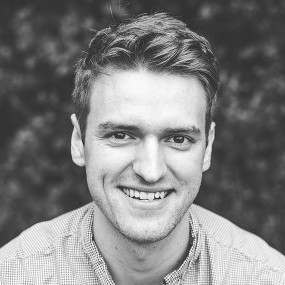
Miles Possing

Miles Possing — senior software engineer, 10 years across fintech and Microsoft. Possing Technology LLC is an Illinois company. Connect on LinkedIn.

Questions

Good things to ask first.

What does it actually cost?

It's built around your budget. Depending on the work and what you can put toward it, that's a reduced rate, a pay-what-you-can arrangement, or — for a few each year — fully pro bono. You'll always see and agree the price before any work begins.

How do we qualify?

You're a registered nonprofit or community organization working in education, the environment, civic life, or human services, and you can't fund senior engineering at standard rates. If you're close but not certain, just ask.

We're tiny and all-volunteer — is that too small?

No. Small, lean organizations are exactly who this is for. What matters is that the work matters and someone can act on what we find.

Will our data and findings stay confidential?

Yes — the same written confidentiality terms as any paid engagement. Your systems, data, and any findings are used only for your work and shared with no one.

Why is the program limited to a few a year?

So each one gets real senior attention rather than a rushed favor. I take on 2–3 nonprofit engagements a year alongside paid work. If the calendar's full, I'll tell you honestly and flag when it opens up.
Tell me about your mission.

A few lines about what you do and what's worrying you about your software. I'll give you a straight answer — and whether I can help.

Email inquiries@possing.tech